


Ragi Rotti is a wholesome Karnataka style flatbread recipe made with gluten-free finger millet flour, vegetables, onion, spices and fresh coriander. Served as breakfast or brunch with a side of yogurt, chutney or pickle.
Ragi, also known as Nachni, Finger Millet, Mandua and Kodra is used in a variety of recipes. Ragi Idli and Ragi Rava Dosa are staple breakfast options at home.
Traditionally, Rotti is made with flours like Rice, Ragi, Jowar and Bajra.
These delicious flatbreads are shaped using hands and cooked on a hot griddle with oil or ghee. It is healthy, nutritious and quite filling.
You can add a mix of vegetables or use what's available in the refrigerator. It is easily customizable.
For this particular recipe, I have used Sprouted Ragi Flour. It is easily available in supermarkets and if you don't find it, use regular Ragi Flour instead.
Jump to:


I serve Ragi Rotti as brunch on weekends. Gives us ample time to cook and enjoy piping hot rotti straight off the griddle.
Ragi is a good source of plant based calcium and ideal for growing kids who hate consuming porridge.
Ragi Rotti is quite similar to Maharashtrian Thalipeeth (made with mix flours). You need to get used to making it a couple of times. It is not difficult but a tad tricky as flatbreads are shaped with hand unlike regular roti / chapati.

How to make Ragi Rotti Recipe
In a wide mixing bowl, add sprouted ragi flour, grated carrots, chopped onions, finely chopped green chilies, coriander leaves, sesame seeds, turmeric powder and salt to taste.
Mix all the ingredients. Slowly add hot water and knead the dough.


Divide equal portions and rest for 5 to 8 minutes.
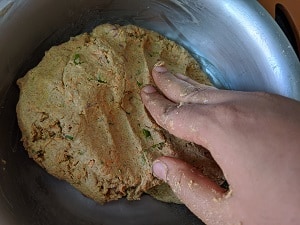
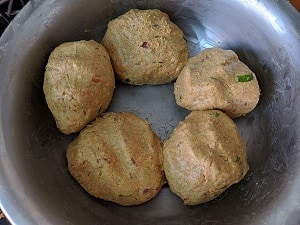
Place a parchment or baking paper on the kitchen counter. Grease it with a few drops of oil.
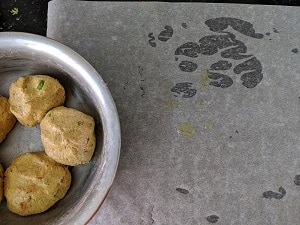

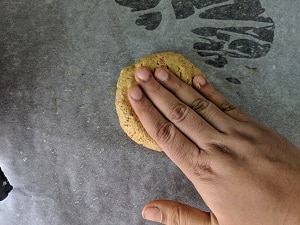
Gently place a ball of dough on the parchment paper and flatten it. Pat it in a circular motion with your fingers. Using your index finger, make 3-4 holes in the flatbread.
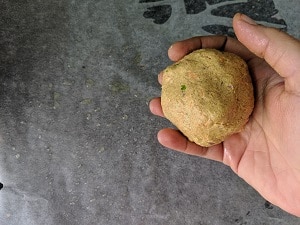
Heat a griddle and once its hot, lift the parchment paper and place it onto the griddle.

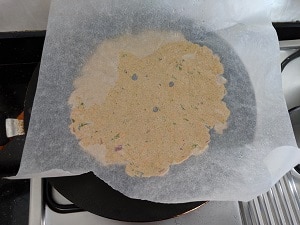
Gently lift the paper, pour oil in the centre (holes) and sides. Cover the rotti with a lid.


Using a spatula, flip the rotti, pour oil and let it cook until the sides are crispy, golden and the center is soft. Serve hot.


Top Tips
Sieve the flour - Removes unwanted particles and helps with soft texture.
Hot Water - Hot water (bearably hot to touch / knead). It is particularly useful when kneading gluten free flours. It prevents tearing and provides good texture. Avoid room temperature water.
Resting the Dough - Do not rest the dough for more than 10 minutes. It will be difficult to pat and shape the flatbread.
Wet / damp cloth is traditionally used to shape rotti. Baking paper or parchment paper is easier to handle. To prevent the rotti from sticking on the baking paper, grease it with couple of drops of oil.
Keep a bowl of water on the side to dip your fingers while shaping the flatbread.
Refer to Rajgira Thalipeeth post and video for more details on shaping a gluten-free flatbread.
Serving Suggestion
Serve Ragi Rotti with podi, chutney and/or yogurt for breakfast. Green Chutney, Tomato Chutney and coconut chutney are our top picks.
You can replace regular wheat flour chapati with ragi roti for lunch. In that case, serve it with any vegetable curry or dal for a filling, nutritious meal.
FAQ's
Yes, you can make this with Jowar Flour (Sorghum), Bajra (Pearl Millet) and even Rice Flour (Akki Rotti). The cooking process remains the same.
Seeds like Sesame, flax, cumin (jeera) can be added. Vegetables like grated cabbage (finely grated), grated beetroot can also be added for nutrition.
They can freeze but I wouldn't recommend. This recipe is more suited for immediate consumption.
I wouldn't recommend. It turns a bit hard and chewy as its made with gluten free flour.
Just skip the green chillies and it would be extremely kid friendly recipe. Ragi is extremely nutritious for growing kids.
Ragi Flour stays fresh at room temperature for couple of months. I however, store the flour in my freezer because its quite warm in my part of the world, for most months in a year.
More Indian Breakfast Recipes with millets
Foxtail Millet Dosa (Thinai)
Kodo Millet Ven Pongal (Varagu)
Please take a moment to LEAVE A COMMENT and a STAR * rating on the blog. It would encourage others to try the recipe or you could TAG US on any of our social media handles –INSTAGRAM, TWITTER, FACEBOOK PAGE AND PINTEREST.

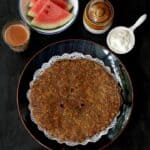
Ragi Rotti | Finger Millet Roti Recipe
Equipment
- Non Stick Or Cast Iron Griddle / Tawa
Ingredients
- 2 cups Sprouted Ragi Flour refer notes below
- 1 Onion 1 large or 2 medium size, finely chopped
- 1 Carrot medium, finely grated
- ½ teaspoon Turmeric Powder or Haldi Powder
- 3-4 Green chillies finely chopped
- 2 teaspoon Sesame Seeds
- 3/4 cup Hot Water for kneading
- Finely chopped coriander leaves
- Salt to taste
- Oil as required to cook the rotti
Instructions
- In a wide mixing bowl, add sprouted ragi flour, grated carrots, chopped onions, finely chopped green chilies, coriander leaves, sesame seeds, turmeric powder and salt to taste.
- Mix all the ingredients. Slowly add hot water and knead the dough.
- Divide equal portions and rest for 5 to 8 minutes.
- Place a parchment or baking paper on the kitchen counter. Grease it with a few drops of oil.
- Gently place a ball of dough on the parchment paper and flatten it. Pat it in a circular motion with your fingers. Using your index finger, make 3-4 holes in the flatbread.
- Heat a griddle and once its hot, lift the parchment paper and place it onto the griddle.
- Gently lift the paper, pour oil in the centre (holes) and sides. Cover the rotti with a lid.
- Using a spatula, flip the rotti, pour oil and let it cook until the sides are crispy, golden and the center is soft.
- Repeat the process by greasing the baking paper with few drops of oil. This prevents rotti from tearing. Serve hot.
Notes
- Sieve the flour - Removes unwanted particles and helps with soft texture.
- Hot Water - Hot water (bearably hot to touch / knead). It is particularly useful when kneading gluten free flours. It prevents tearing and provides good texture. Avoid room temperature water.
- Resting the Dough - Do not rest the dough for more than 10 minutes. It will be difficult to pat and shape the flatbread.
- Wet / damp cloth is traditionally used to shape rotti. Baking paper or parchment paper is easier to handle. To prevent the rotti from sticking on the baking paper, grease it with couple of drops of oil.
- Keep a bowl of water on the side to dip your fingers while shaping the flatbread.
- Refer to Rajgira Thalipeeth post and video for more details on shaping a gluten-free flatbread.
- I have used 3/4th cup of hot water to knead the dough. Use more or less as required.
- This recipe does require a fair bit of skill but its not hard to attempt. The lifting of paper from the hot pan, can sometimes cause the rotti to tear so it is important to grease the paper every single time before shaping the rotti. So it easily glides once it comes in contact with the heat from the tawa.
- Additionally, don't make the dough too tight. It should have some moisture so that it doesn't taste chewy. The consistency also helps in achieving easy transfer from the baking paper to the tawa.
- You can add finely chopped cabbage or even better, grate the cabbage for best results. Add water with caution if you are adding cabbage as it has moisture.
- This Rotti is for immediate consumption only. Leftovers, when heated, can be a bit hard to chew.
- Ensure the heat is medium while cooking the rottis else it will only cook from the surface while the insides remain chewy. Ragi does take a while to cook, so patience is the key.
Please subscribe to our website to receive all the delicious recipes in your mail box.
We will be back again with yet another exciting recipe .. Until then, stay healthy and happy!
Vidya Narayan