


I always look forward to working with fresh ingredients. A trip to Organic farmers market couple of weeks ago, led me to these gorgeous Narthangai or Citron. Without an iota of doubt, I knew I had to get back home and pickle them straightaway! Yes, one of South Indian Favourite, Narthangai Pickle that is also considered one of the best accompaniment for Curd Rice or Thayir Sadam.
Yes, Curd Rice accompanied with Narthangai pickle is Soul food or Comfort Food for South Indians. The taste of Narthangai pickle is quite different from lemon pickle. Even though, looks wise they seem quite close.
The skin or peel of Citron is most fragrant and thick as compared to lemon. The fruit or pulp is light yellow in colour (similar to sweet lime or Mosambi Fruit).


About Narthangai
- Narthangai is called Citron in English. Belongs to the family of lime and is a cross between lemon and sweet lime (as you can see from the picture below)
- Citron or Narthangai has high Vitamin C content, making it ideal to consume during winters, when immunity is low. Once the citron is pickled, it can be refrigerated for an entire year.


Of all the pickle varieties available in South Indian homes, Narthangai tops the list when anyone in the family announces an upset stomach, suffers from indigestion or nausea. Quickly Thayir Sadam is made and served with 2 pieces of Narthangai Oorugai (Pickle in Tamil).

Pickling Narthangai
- Uppu Narthangai which is the best way to deal with the stomach disorders is usually chopped pieces of Narthangai mixed with Kallu uppu or rock salt and some turmeric. It takes about a week (depending upon quantity) for the citron to soften and ready for consumption.This contains no oil and has a long shelf life in a refrigerator.
- Dry Uppu Narthangai - It is the sun dried version of the above and extremely travel friendly too especially when you are prone to motion sickness or sea sickness. You can pop a piece in your mouth like a candy to avoid nausea.
- Narthangai Pickle with Oil and Spices - The recipe that I share today is the 2nd step towards pickling the Citron. It is quite easy, no elaborate masala mix is used here except good quality sesame oil and red chilli powder. This pickle has long shelf life and can be eaten with regular meals.
Seasonal Ingredients, be it any, have the power to help our body deal with weather change and build immunity. At home, we strictly focus on eating seasonal fruits and vegetables which benefits the mind and nourishes the body.
Amla or Indian Gooseberry, another seasonal ingredient, is widely available during winters, also has high Vitamin C content. Amla is Ayurveda recommended to boost immunity levels in body. I have 2 recipes on the blog that make the best use of Amla, apart from pickles.
- Amla Pachadi - Amla Raita with Curd and Coconut that can be eaten with rice or rotis, is one of the best ways to consume amla in your diet.
- Amla Rice or Nellikai Rice - Tangy Rice Recipe and a close cousin of Lemon Rice. Trust me, your family will not notice the taste of Amla at all. A great way to feed kids Amla.
Lemon Or Neembu is the most common source of Vitamin C and easily available in all seasons. South Indian Lemon Rice is quite popular, amongst other recipes. I also have a low carb Lemon Cauliflower Rice on the blog which is a Pegan Recipe with a lemon zing to it.
With so many options for a Vitamin C boost to the body, let us now look at the detailed recipe of Narthangai Pickle.
Step By Step Recipe of Narthangai Pickle (South Indian Citron Pickle Recipe)
Wash, Pat dry (most important step for pickling) the Narthangai or Citron with a soft cloth.
Chop the Narthangai into small pieces (easy bite size pieces) and keep aside. Note - Do not discard the juice or seeds.


Take a clean and dry glass jar, add a tbsp of rock salt or kallu uppu.
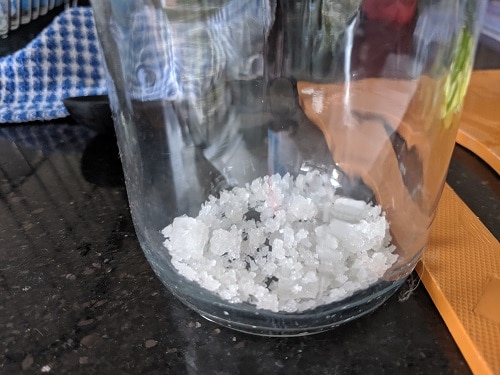
Now add the chopped pieces of Narthangai in the jar along with the juice.
Add some more kallu uppu or rock salt along with turmeric powder.


Close the jar with a tight lid and shake it couple of times so that the salt and turmeric is mixed well.
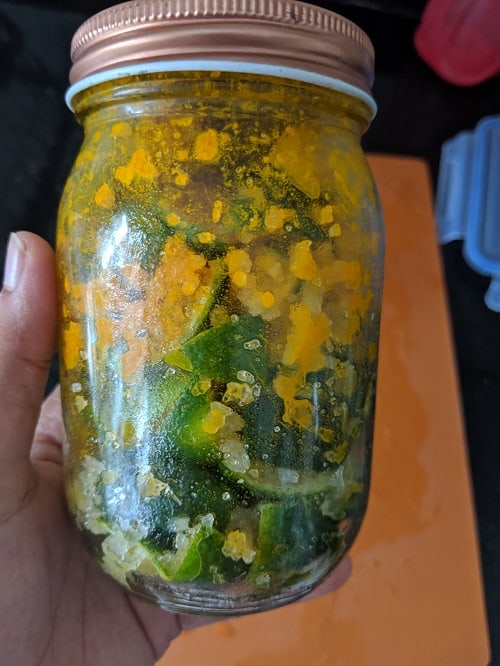
Keep this jar in a cool dry place (room temperature) for 5 to 7 days until the citron has reduced in volume. Keep shaking the jar once or twice in a day.

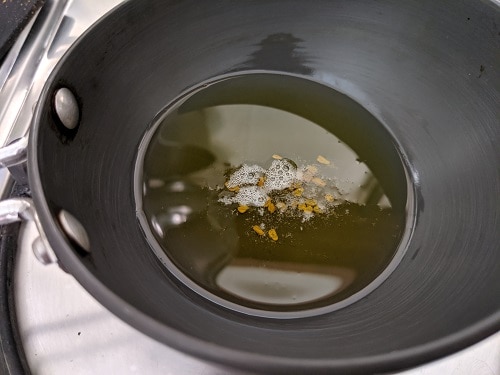
Now heat some sesame oil in a kadhai or thick bottom pan, add some methi seeds, mendhiyam or fenugreek seeds. Switch off the flame. Allow the oil to cool thoroughly.
To the Jar, add some red chilli powder and mix well.
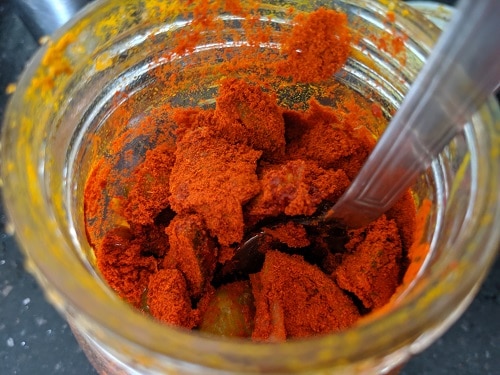
Add the cool oil and mix the pickle once again. Allow this pickle to sit out for 2 - 3 days before transferring it to the refrigerator.
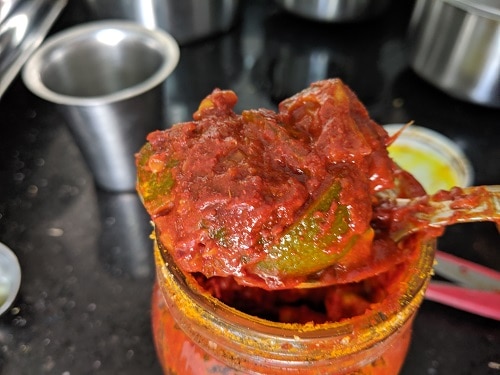
Do try and make these this winter and enjoy it with a bowl of curd rice.


Narthangai Pickle (South Indian Citron Pickle Recipe)
Ingredients
- 6 nos. Citron or Narthangai Check notes below
- 2 tbsp Rock Salt or Kallu Uppu
- 1/3 cup Sesame Oil (heated and cooled) Check notes below (1/3 cup is 80 ml measurement)
- 1 tsp Turmeric Powder or Haldi Powder
- 2 tsp Red Chilli powder
- 1 pinch Methi Seeds or Fenugreek Seeds
Instructions
- Wash, Pat dry (most important step for pickling) the Narthangai or Citron with a soft cloth.
- Chop the Narthangai into small pieces (easy bite size pieces) and keep aside. Note - Do not discard the juice or seeds
- Take a clean and dry glass jar, add a tbsp of rock salt or kallu uppu.
- Now add the chopped pieces of Narthangai in the jar along with the juice
- Add some more kallu uppu or rock salt along with turmeric powder.
- Close the jar with a tight lid and shake it couple of times so that the salt and turmeric is mixed well.
- Keep this jar in a cool dry place (room temperature) for 5 to 7 days until the citron has reduced in volume. Keep shaking the jar once or twice in a day.
- Now heat some sesame oil in a kadhai or thick bottom pan, add some methi seeds, mendhiyam or fenugreek seeds. Switch off the flame. Allow the oil to cool thoroughly
- To the Jar, add some red chilli powder and mix well.
- Add the cool oil and mix the pickle once again. Allow this pickle to sit out for 2 - 3 days before transferring it to the refrigerator.
Notes
- I have made a very small batch hence the 6 nos. or half a dozen as sold in the markets here. The pickle quantity was half a bottle as seen in the pictures. If you are planning to make a big batch, consider using a big clean glass jar and use a clean dry spoon to mix it (instead of shaking) once, everyday, until the citron softens.
- The pickle is ready for consumption (if you do not want the oil version) after the citron has softened up and reduced in volume. Refrigerate it for a long shelf life (6 months to a year). Ensure you always use a clean spoon and avoid keeping a spoon inside the pickle jar.
- After oil has been added, the pickle should rest for couple of days before consumption. At first, you may feel the salt content is more but as time passes, it would reduce. Salt ensures there is no fungus formation.
- The pickle does not need exposure to sunlight. Keep it in a cool dry place during the pickling process.
- We use Sesame oil for all pickle preparations. Taste best. Heat the oil well and then cool it thoroughly before adding to the pickle. Avoid adding even slightly warm oil to pickles.
- A pinch of methi seeds is added to the oil for flavor, aroma.
- As I mentioned above, the shelf life of the pickle is up to a year, always check pickles periodically, say after 3 months or so and if the oil has reduced or masalas seem dry, heat the oil, add the methi seeds, cool and add to the pickle. It would be fresh as new.
- Needless to say, always store pickles in glass containers with a tight lid (even in a refrigerator)
Some Other South Indian Pickle Recipes on Blog
- Puli Inji - Kerala Style Sweet and Sour Pickle with tamarind and Ginger. A must for Vishu and Onam Sadya meals.
- Apple Thokku - Sweet and Spicy instant pickle recipe made with fresh apples.
- Mango Thokku - Instant pickle variety made with raw mangoes.
Loving the Recipes shared by us? Planning to try this at home?
Do give us a shout out or tag us when you post a recipe on any of our social media handles – INSTAGRAM, TWITTER, FACEBOOK PAGE AND PINTEREST.
You can also subscribe to our website to receive all the delicious recipes in your mail box.
Would be really happy to receive your feedback.
Thank you for visiting
Vidya Narayan