
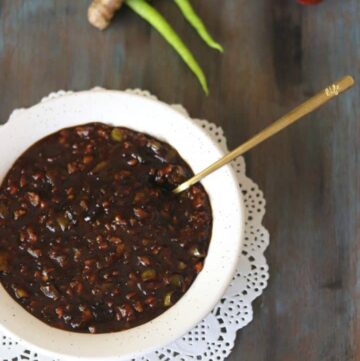
Step-wise recipe to make Traditional Kerala Style Puli Inji, Inji Puli or Instant Ginger Pickle. The pickle is sweet, tangy and spicy and makes a perfect condiment or accompaniment to main course meals. It is served during Sadya on a banana leaf meal for Vishu and Onam Sadya festival.

Puli Inji or Inji Puli is a Kerala Style relish or instant pickle made with Puli (tamarind), Inji (ginger), green chilies and jaggery. This pickle is a delicious combination of sweet, spicy and sour which makes your tastebuds sing. A traditional Kerala Style recipe, inji puli is served for Vishu and Onam Sadya.
Sadya meals are incomplete without Puli Inji or inchi puli. Be it weddings or festive occasions, this condiment has a special place in my heart.
What's not to like about Puli Inji? I can completely go overboard and lick the spoon clean if given an opportunity.
This Kerala Style relish or instant pickle makes your tastebuds sing with joy. It is everything a pickle, chutney or relish should be - spicy, sweet and sour!
The pickle takes about 45 mins from start to finish (chopping the ingredients) but it is truly worth the effort. The shelf life of the pickle is longer than most instant pickles. I always have a jar of puliinchi in my refrigerator for sudden cravings.
This is my mother's recipe. Her pickles lasted for years and tasted even better as they matured. I was fortunate to learn some of her tips and tricks.
Jump to:
About Puli Inji
- In South India, "Puli" is referred to as Tamarind and "Inji" as Ginger. It forms the base of this Kerala style relish, condiment or pickle.
- It is spicy (fresh green chilies), sour (tamarind) and sweet (jaggery).
- It has a dark brown chunky texture (almost like a thick balsamic reduction).
- With every spoonful, you can taste bits of ginger and green chilies. Simply put - It is an explosion of flavors in your mouth.
- Any feast in Kerala, including wedding is incomplete without this traditional pickle.
Puli Inji Ingredients

Tamarind - Use dark color tamarind variety. Seedless tamarind is convenient. Soak it in hot water to extract pulp.
If you cannot source dark color tamarind, use a light color variety. It will not affect taste. The color of puli inji will be light brown.
The important thing to remember is that tamarind variety differs and one should taste check and add jaggery to balance flavors.
Jaggery - Puli Inji tastes sweet because of jaggery.
You will find jaggery blocks or powdered jaggery sold in supermarkets.
Again, the variety differs. Light yellow color jaggery tastes more sweet than the dark jaggery block.
I would not recommend substituting jaggery with brown sugar or any other substitutes.
Ginger - Use fresh, tender ginger. Tender ginger is easier to chop, has few or less fibrous strands.
Do not use homemade or store bought ginger paste. The recipe calls for fresh ginger.
Texture of the pickle is key. You should be able to bite a piece of ginger and green chili as you savor the relish.
Green Chilies - You can leave the seeds out or chop the green chilies with seeds. The amount of green chilies depends on your heat tolerance levels. You can always add extra jaggery if the end result is too spicy for your tastebuds.
Oil - I have used Sesame Oil. Oil in any pickle increases shelf life, prevents formation of fungus. Do not use less oil as it will compromise shelf life and taste.
Note - Please refer to the recipe card below for full details and exact measurements.

How to make Puli Inji or Inji Puli
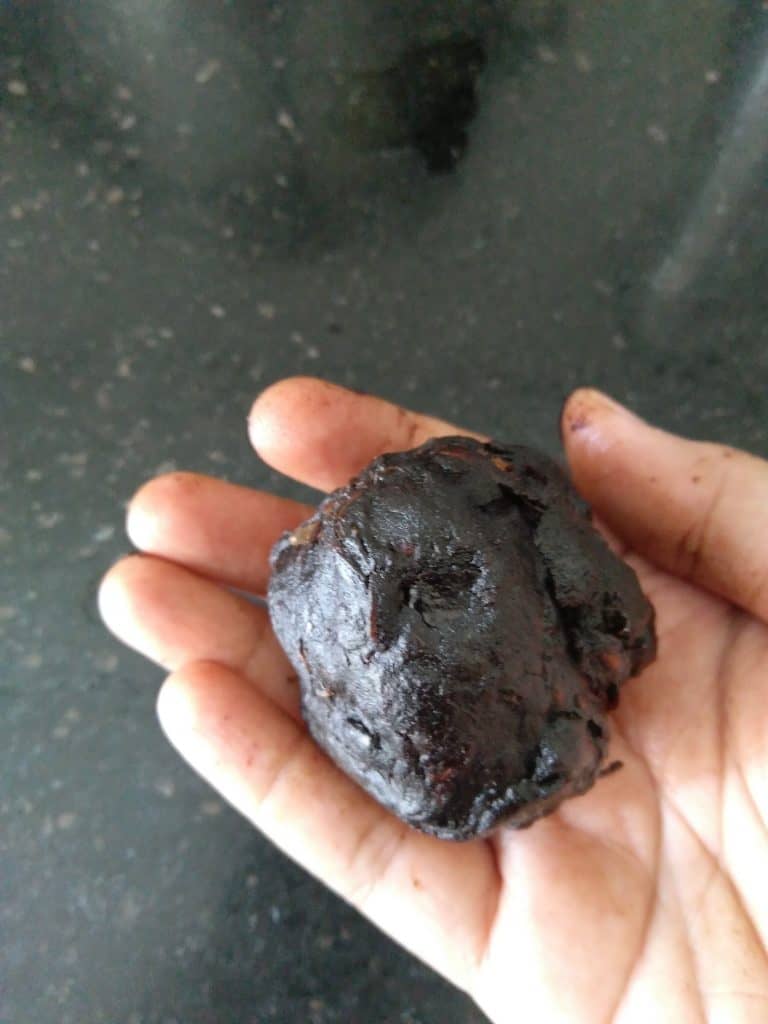
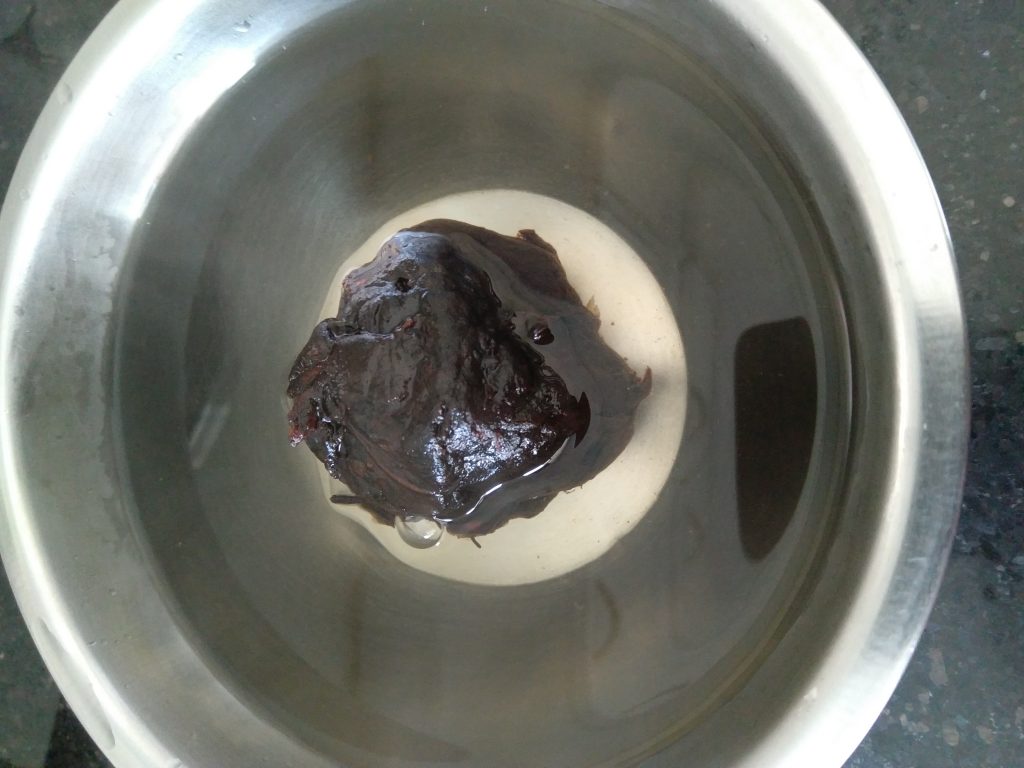
(1) Soak a lemon sized tamarind ball in 1 & 1/4 cup hot water for atleast 15 minutes and keep aside.
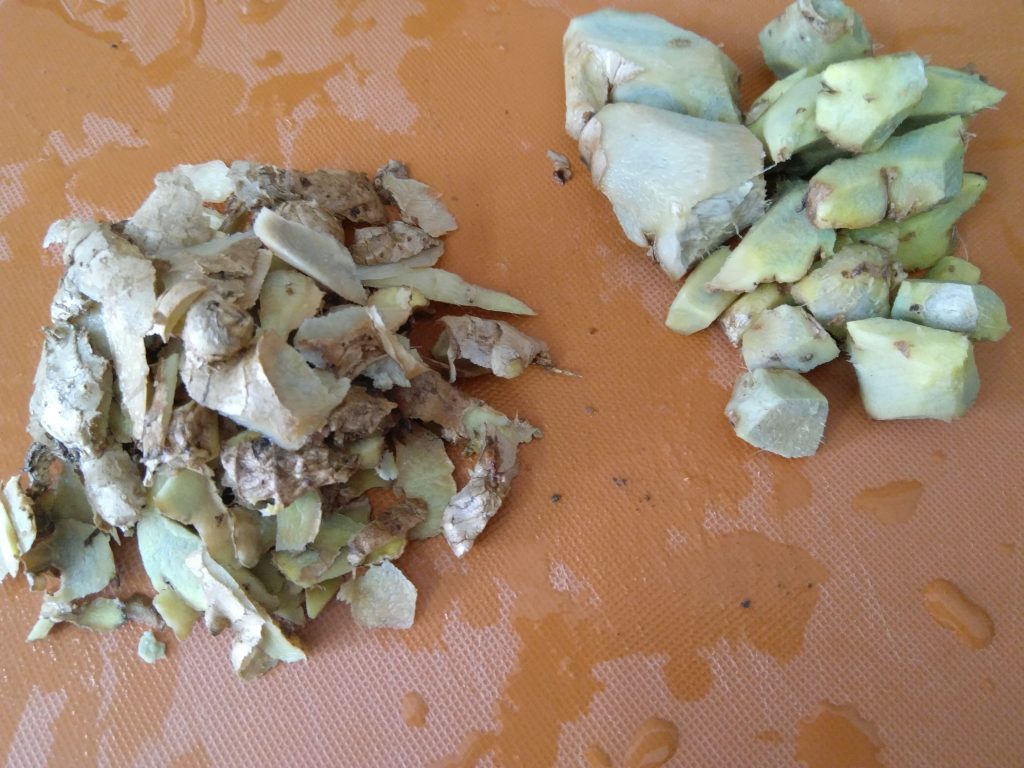
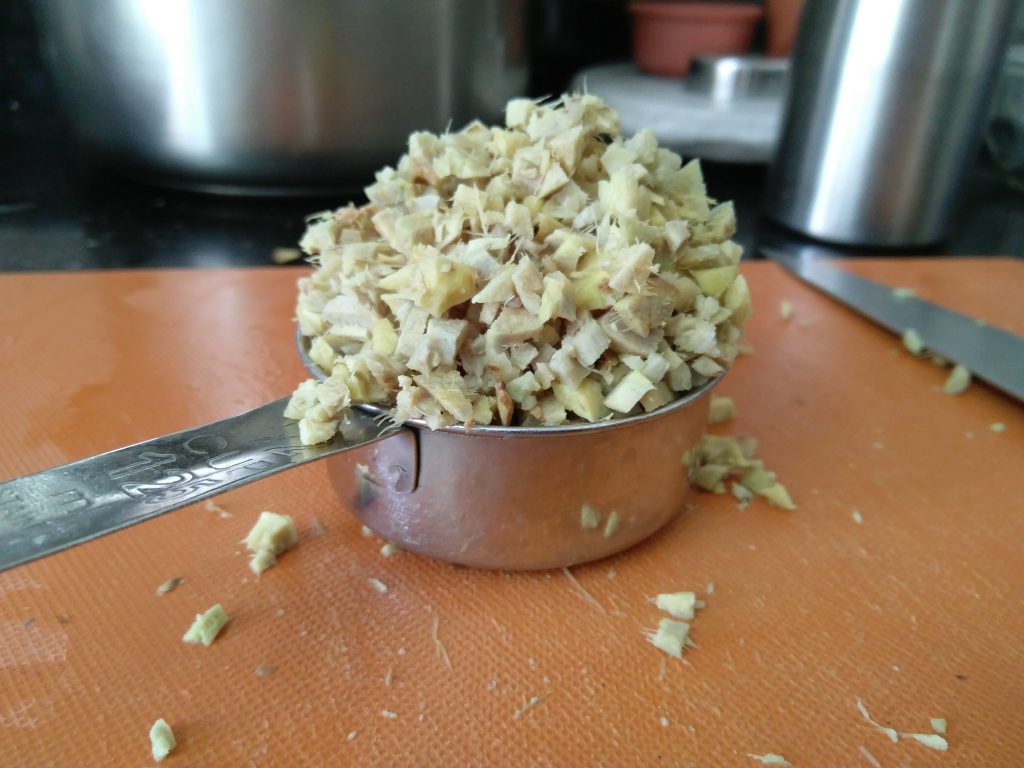
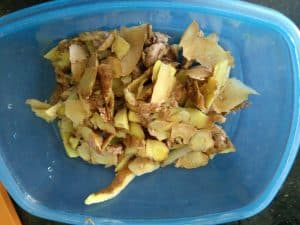
(2) Wash, peel and finely chop ginger as shown below. Note - Use ginger peel / skin when making tea.
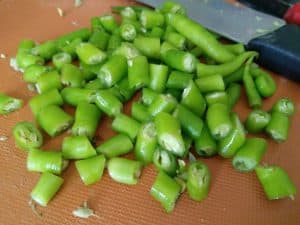
(3) Wash, pat dry and roughly chop the green chilies as show below.
(4) Squeeze the soaked tamarind and extract pulp.
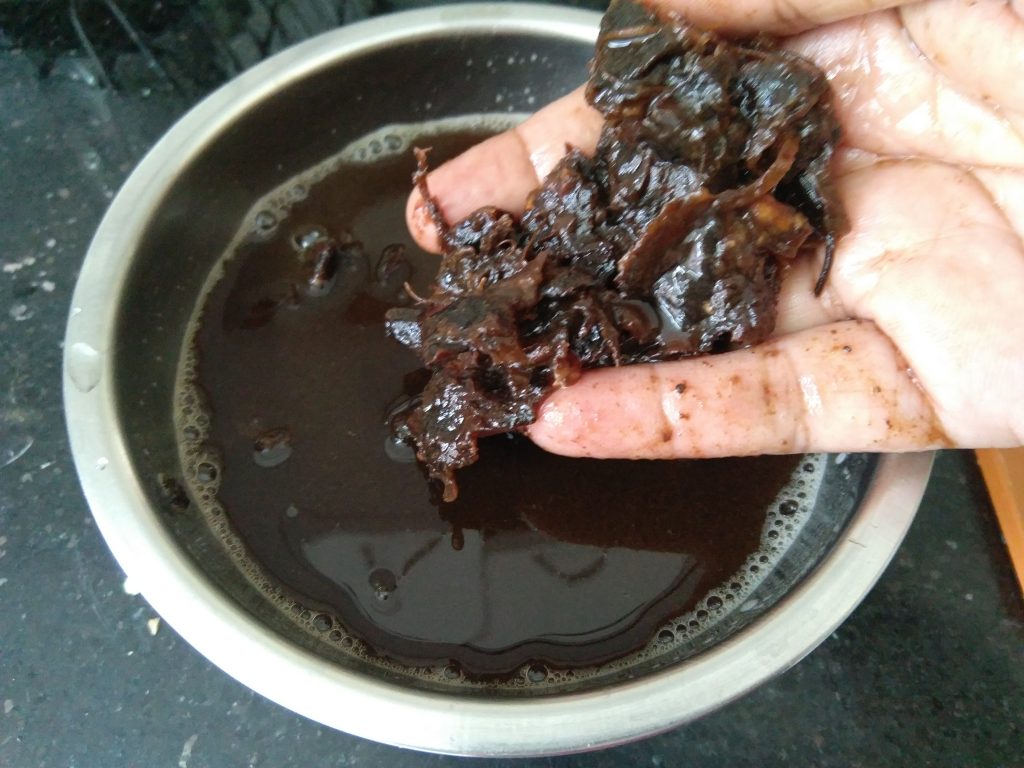

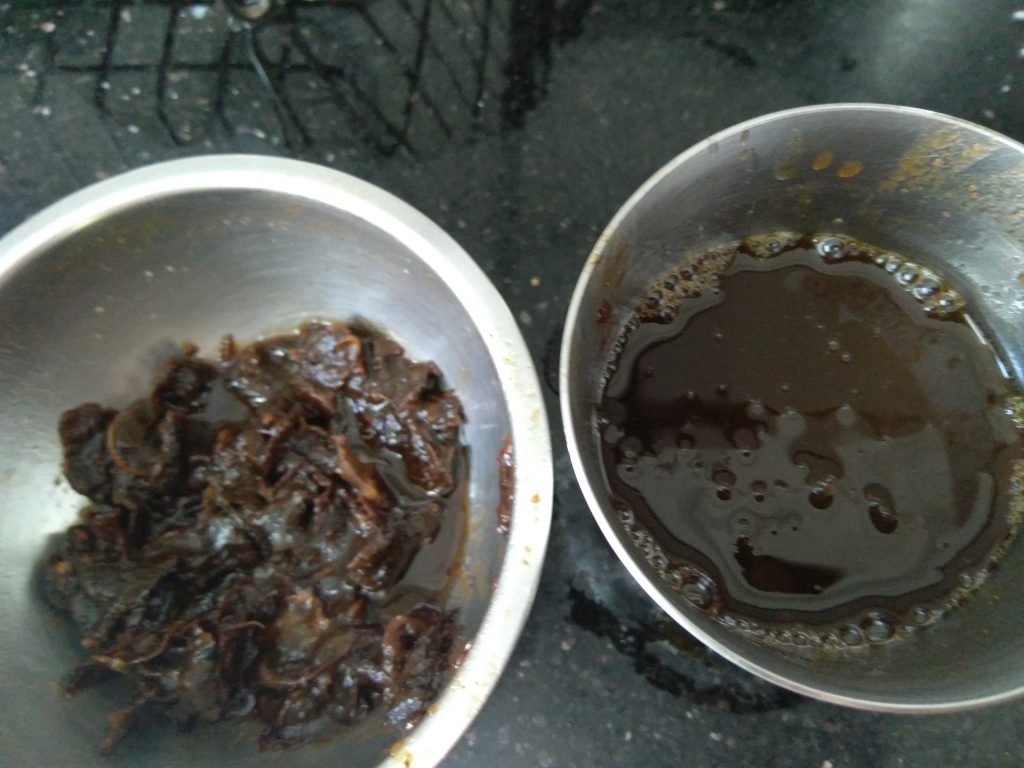
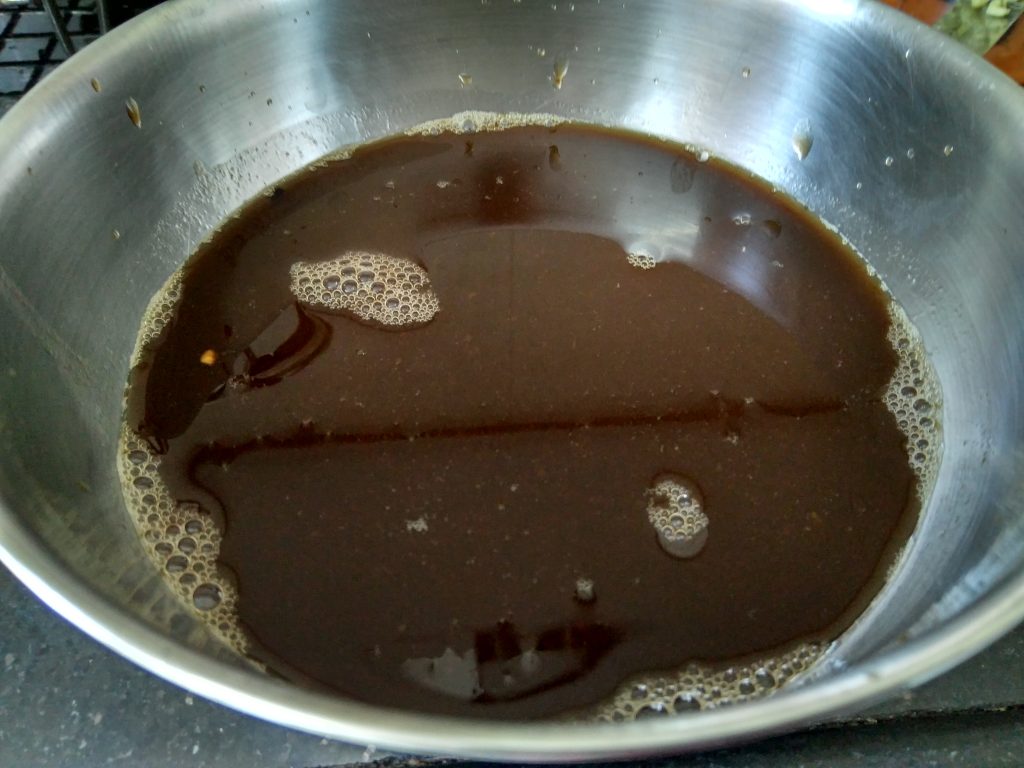
(5) Now add 1 cup of warm water to the tamarind, repeat the squeezing process to collect some more tangy liquid extract. Strain this and keep aside.
(6) Now heat a pan or wok, add oil.
(7) Add mustard seeds to the hot oil and once it crackles, add whole red chilies and some hing.
(8) Now add finely chopped ginger or adrak and sauté on low heat until the ginger slightly softens (say 3 to 5 minutes).
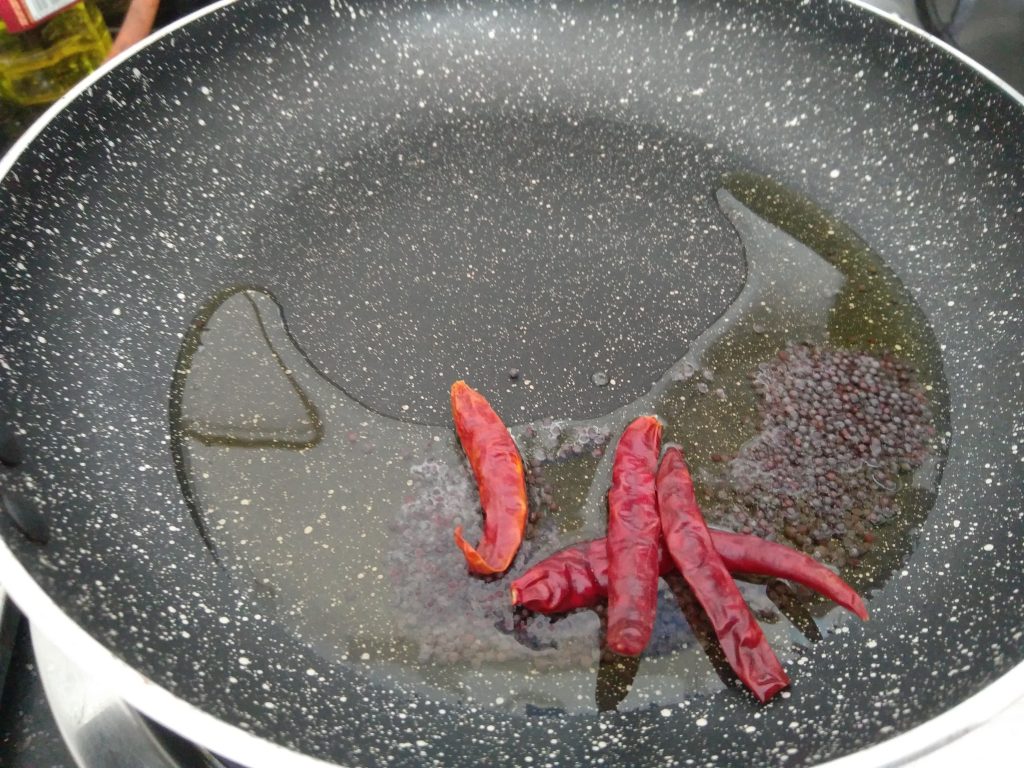
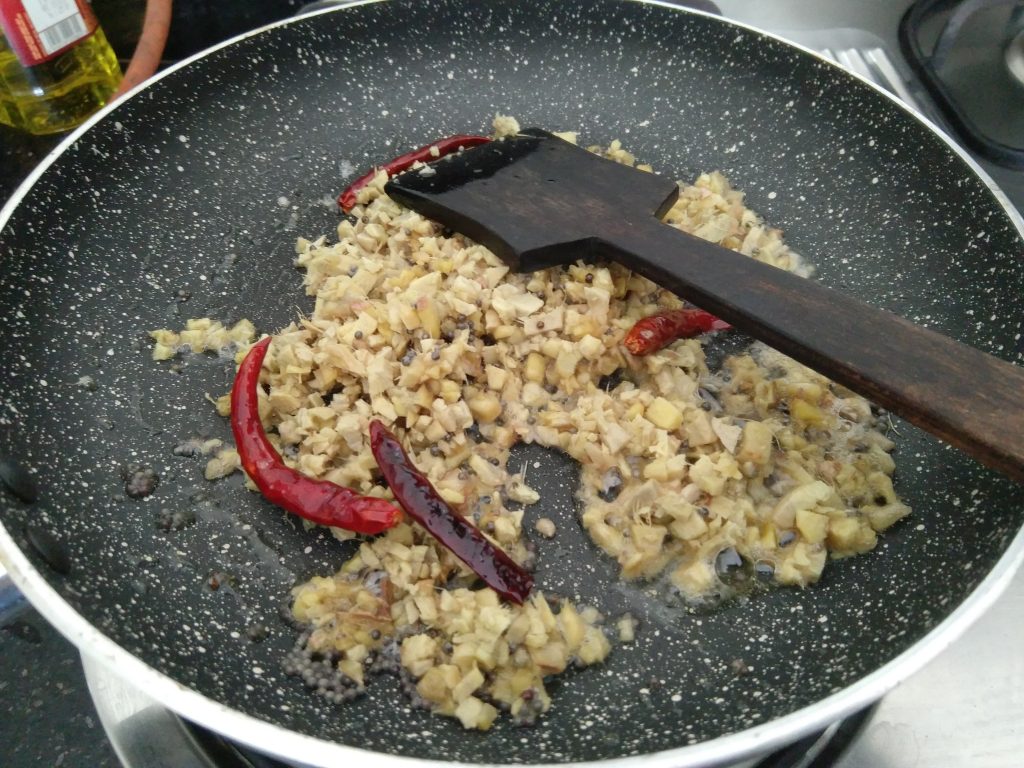
(9) Add the green chilies and sauté well for another 2 to 3 minutes.
(10) To the ginger and green chilies mixture, add the strained tamarind pulp.
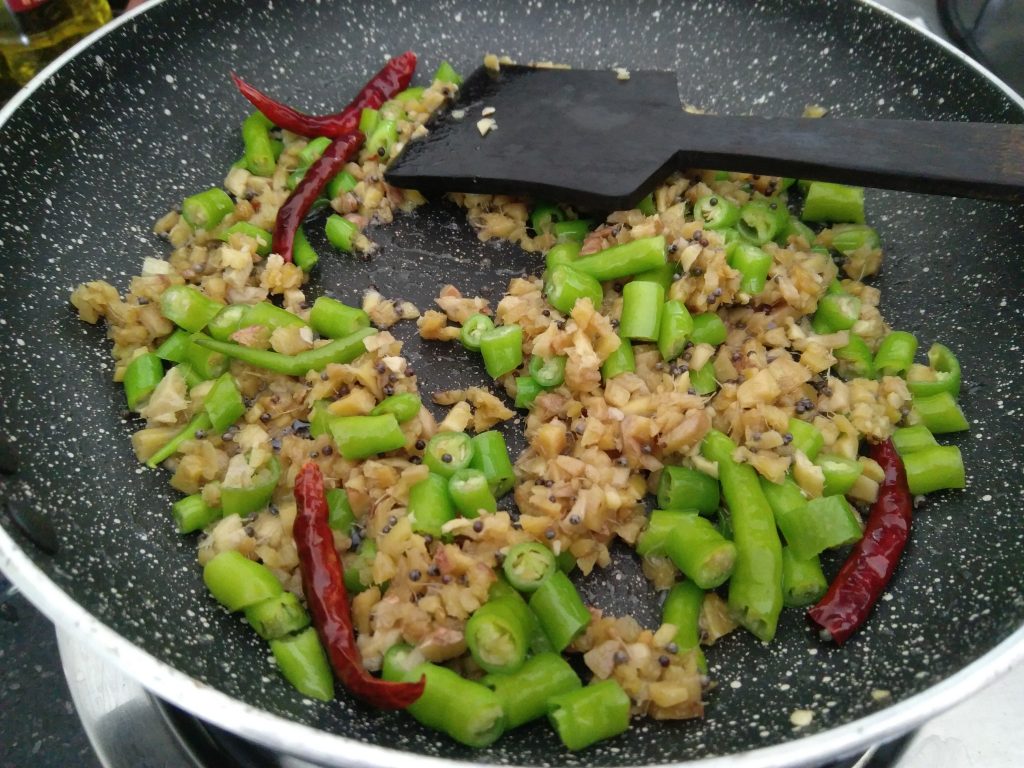
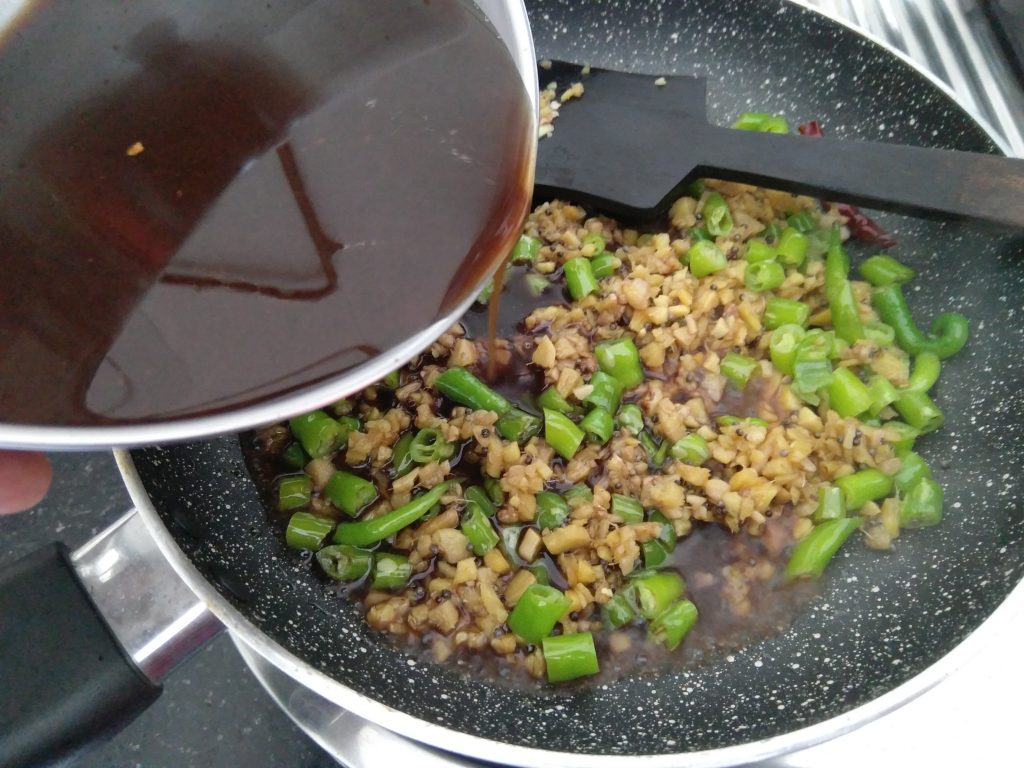
(11) Add a tsp of turmeric powder and red chili powder and stir everything well. Add salt to taste.

(12) Now let this simmer on low heat until the raw tamarind smell vanishes and the liquid volume slightly reduces. This takes about 10 to 15 minutes on low flame. PS - Keep stirring this every now and then.
(13) Once the raw smell has vanished, add the jaggery and stir well.

(14) The pickle will slowly start to thicken with the jaggery melting.
(15) Now is also a good time to check salt and add more if required.
(16) Keep stirring the pickle at regular interval until it has become thick and sort of deep dark caramel texture.

(17) Switch off the flame and allow it to cool completely before transferring to a clean, dry glass jar with a tight lid.
Storage / Shelf Life
Cool the pickle completely before transferring to a clean, dry, glass jar.
Use a clean, dry spoon to scoop the pickle.
Puli Inji stays fresh for more than a month, under refrigeration.
More Pickle Recipes to try
Narthangai Pickle - Citron Pickle (a pickle variety served during Sadya meals)
Instant Amla Pickle (Nellikai, Indian Gooseberry)
Methamba - Sweet and Sour Mango Pickle
Please take a moment to LEAVE A COMMENT and a STAR * rating on the blog. It would encourage others to try the recipe or you could TAG US on any of our social media handles –INSTAGRAM, TWITTER, FACEBOOK PAGE AND PINTEREST.
Puli Inji Recipe | Inji Puli - Kerala Style Ginger Pickle for Sadya
Ingredients
- 1 Lemon Sized Tamarind Ball check recipe notes below
- 2 ¼ cups Water ( 1 1/4th cup Hot Water and 1 cup Warm Water)
- ½ cup Finely chopped ginger or Adrak (heaped cup)
- 10 Fresh green chillies finely chopped
- ½ cup Roughly chopped Jaggery or Gud / Vellam
- 1 teaspoon Turmeric powder
- 1 teaspoon Red chilli powder
- Generous pinch of Asafoetida or hing
- 5 tablespoon Sesame Oil
- 1 ½ teaspoon Mustard Seeds
- 4 Whole dry red chillies
- salt to taste
Instructions
- Soak a lemon sized tamarind ball in 1 & 1/4 cup hot water for atleast 15 minutes and keep aside.
- Wash, peel and finely chop ginger as shown below. Note - Use ginger peel / skin when making tea.
- Wash, pat dry and roughly chop the green chilies
- Squeeze the soaked tamarind and extract pulp.
- Now add 1 cup of warm water to the tamarind, repeat the squeezing process to collect some more tangy liquid extract. Strain this and keep aside.
- Now heat a pan or wok, add oil.
- Add mustard seeds to the hot oil and once it crackles, add whole red chilies and some hing.
- Now add finely chopped ginger or adrak and sauté on low heat until the ginger slightly softens (say 3 to 5 minutes).
- Add the green chilies and sauté well for another 2 to 3 minutes.
- To the ginger and green chilies mixture, add the strained tamarind pulp.
- Add a tsp of turmeric powder and red chili powder and stir everything well. Add salt to taste.
- Now let this simmer on low heat until the raw tamarind smell vanishes and the liquid volume slightly reduces. This takes about 10 to 15 minutes on low flame. PS - Keep stirring this every now and then.
- Once the raw smell of tamarind is gone, add jaggery and mix.
- The pickle will slowly start to thicken with the jaggery melting.
- Check seasoning, add extra if required. If the mixture is too tangy, add extra jaggery.
- Keep stirring puli inji until it thickens and forms a dark caramel texture.
- Switch off the heat, allow puli inji to cool before transferring to a clean, dry and airtight glass jar.
Notes
- Cool the pickle completely before transferring to a clean, dry, glass jar.
- Use a clean, dry spoon to scoop the pickle.
- Puli Inji stays fresh for more than a month, under refrigeration.
Pro Tip - Store the Ginger peels in an air tight box and use it to infuse water, adrak / ginger tea etc. It has amazing health benefits and especially good for your stomach during summers. The peels stay good in the refrigerator for a week in an airtight box.
Please subscribe to our website to receive all the delicious recipes in your mail box.
We will be back again with yet another exciting recipe .. Until then, stay healthy and happy!
Vidya Narayan
Best part of the sadhya!
I cannot agree more! Belated New Year Wishes to you and family.
What a mouthwatering dish- love all the flavors in this inji, Vidya!
Thanks so much, I cannot get enough of this every year.
WOW !!! Recipie, looks delicious. Mum used to make this. Will do this. Thanks
That's nice to hear Mary. I hope you enjoy. Do share your feedback.
This turned out so authentic and delicious. Thank you??
Thank you Shreya for your feedback. Glad you liked it. Please try many such recipes from the blog and let us know.