Navratri Golu Celebrations at Home
My 50th Blog Post
Firstly it is a great feeling to have completed 50 posts on the blog. Blogging for me was a far off dream & I never thought that I could actually pull it off until one day, I finally decided that this is what I want to do.
I have always loved cooking & especially for people I love. It brings me calm, makes me positive. Cooking for me is no less than meditation. I prefer a quiet kitchen, no sounds in the background (no music too) when I cook. People who know me personally understand that I am a very active, rather hyperactive soul who keeps bouncing around finding ways & means to stay occupied. The hyperactive person in me seldom sits / stands still. So, when I meditate (read cook) in my kitchen for a couple of hours, it does wonders to me physically & mentally.
I love my thoughts & the quiet “me” time in my kitchen. There are days when I cook a storm & some days I just do the basics & I am out in 30 minutes flat, but everything that is created in my kitchen is pure love with an undying passion for food.
The 50th post has come on a very auspicious occasion of Navratri (Today being Ashtami) & I am elated since I am about to share the celebrations at our home with all my readers here. PS – If you have checked the earlier post of Green Gram Sundal, I had promised that this is going to be a visual treat.
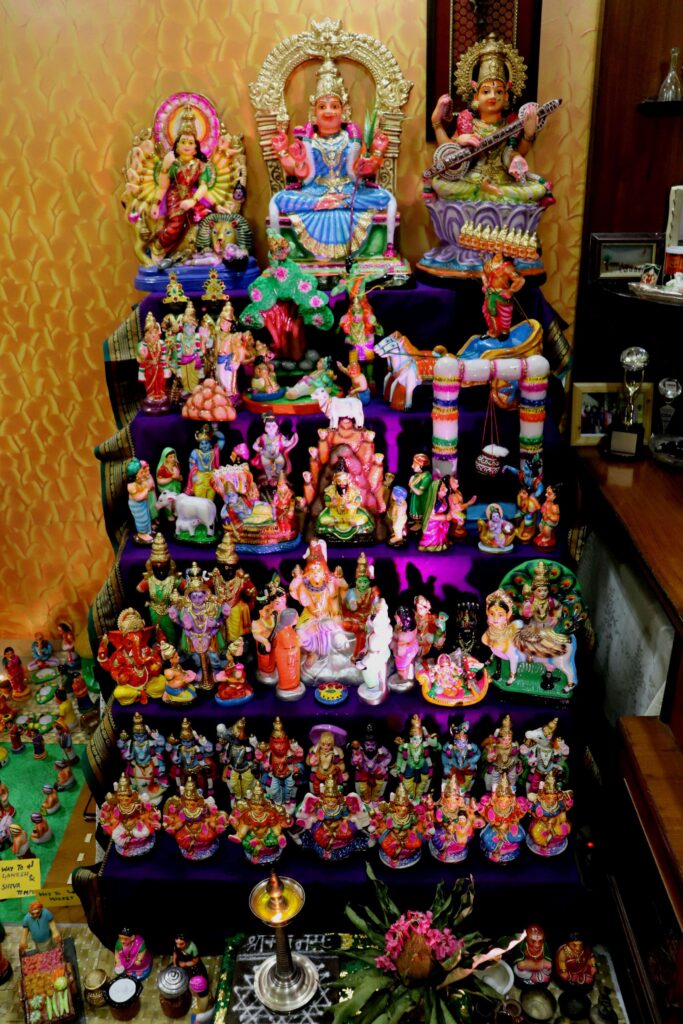
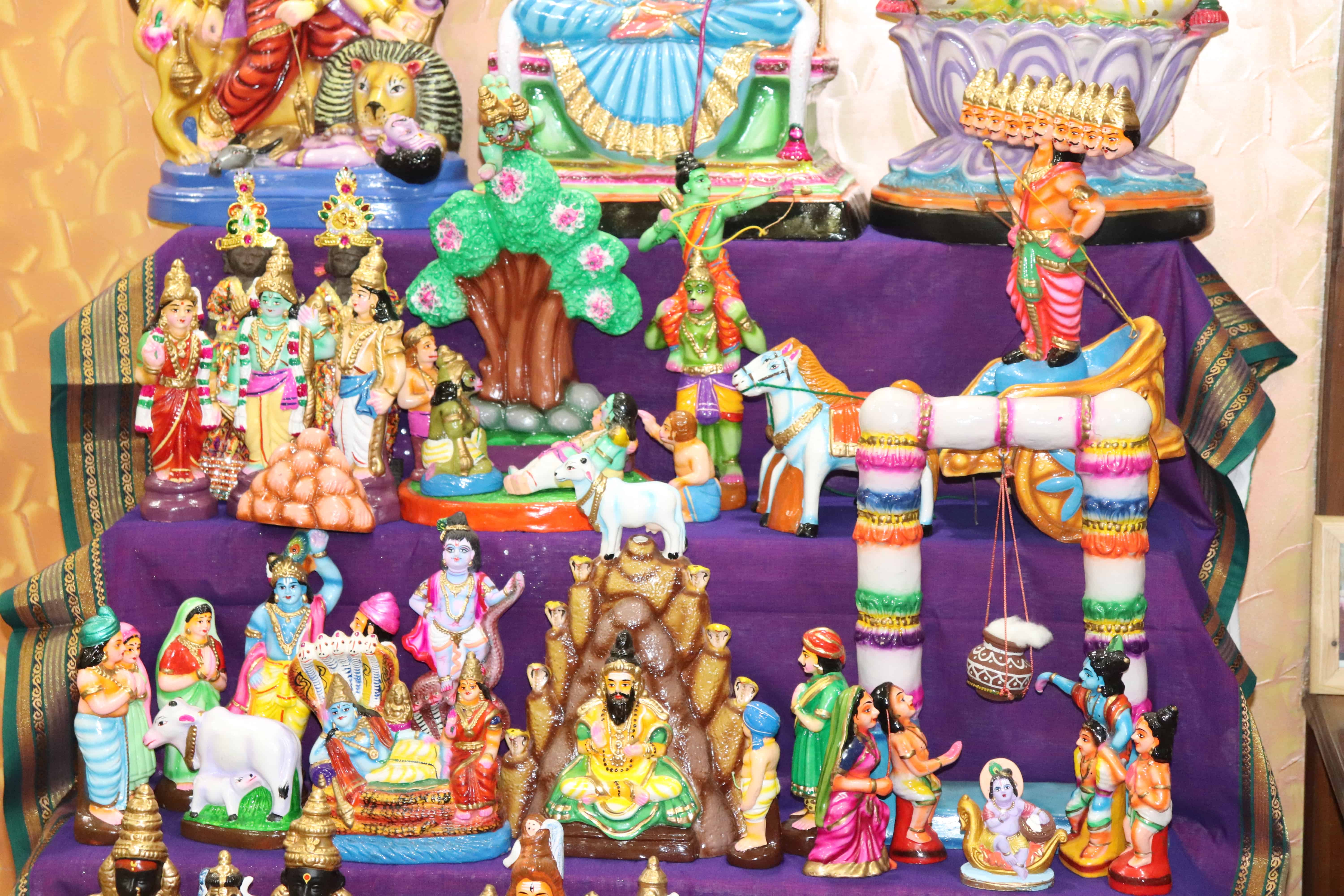
Golu padi (Steps) is built or erected (odd number shelves only like 3,5,7,9 etc) which is then covered with a cloth & then adorned with various dolls, deities from mythology etc. This erection & placement of the dolls is done on Mahalaya Amavasya day (a day before Navratri begins). At our home, we have 5 shelves for placement of various dolls. Although I have enough dolls / bommais (in tamil) for a 9 shelf too but area occupied by golu padi is a major constraint in tiny Mumbai homes.
Golu Explained row wise :-
Top shelf (left to right) - Goddess Durga slaying Mahishasur, Goddess Kamakshi Amman, Goddess Saraswati
2nd Shelf (left to right) - Marapachhi Bommai, Ram Sita & Lakshman, Lord Hanuman goes in search of Sanjeevani to save Lakshman's life & Ram slays Ravan
3rd Shelf (left to right) - Lord Krishna lifts the Govardhan Parvat (Mountain), Lord Krishna dancing on top of Kalia Naag (Snake), Lord Vishnu in Vaikunth with Goddess Lakshmi, The Story of Tirupati depicted, Lord Krishna as a child trying to steal the butter from the matkis (earthern pots) & getting scolded by his Mom, Yashoda along with a baby Krishna enjoying the white butter.
4th Shelf (left to right) - Rukmini & Vithal at the back, Lord Ganesh, Lord Shiva being welcomed by Goddess Lakshmi & Lord Kuber, Kailash Parvat with Lord Shiva, his wife Parvati, 2 kids namely Ganesh & Karthik, Lord Ganesh going for Visarjan on a boat, Kamadhenu (the Holy Cow) & Lord Murugan at the back.
5th Shelf (left to right) - The ten Avtars of Lord Vishnu or Dashavtaar & The 8 forms of Lakshmi or AshtaLakshmi.
This year's theme being a Village set up that has clean roads, a temple of Lord Ganesh & Shiva, a small stall for savouring idlis & dosas & some workmen, fruit vendors & vegetable sellers along with merchants dealing in vessels etc.


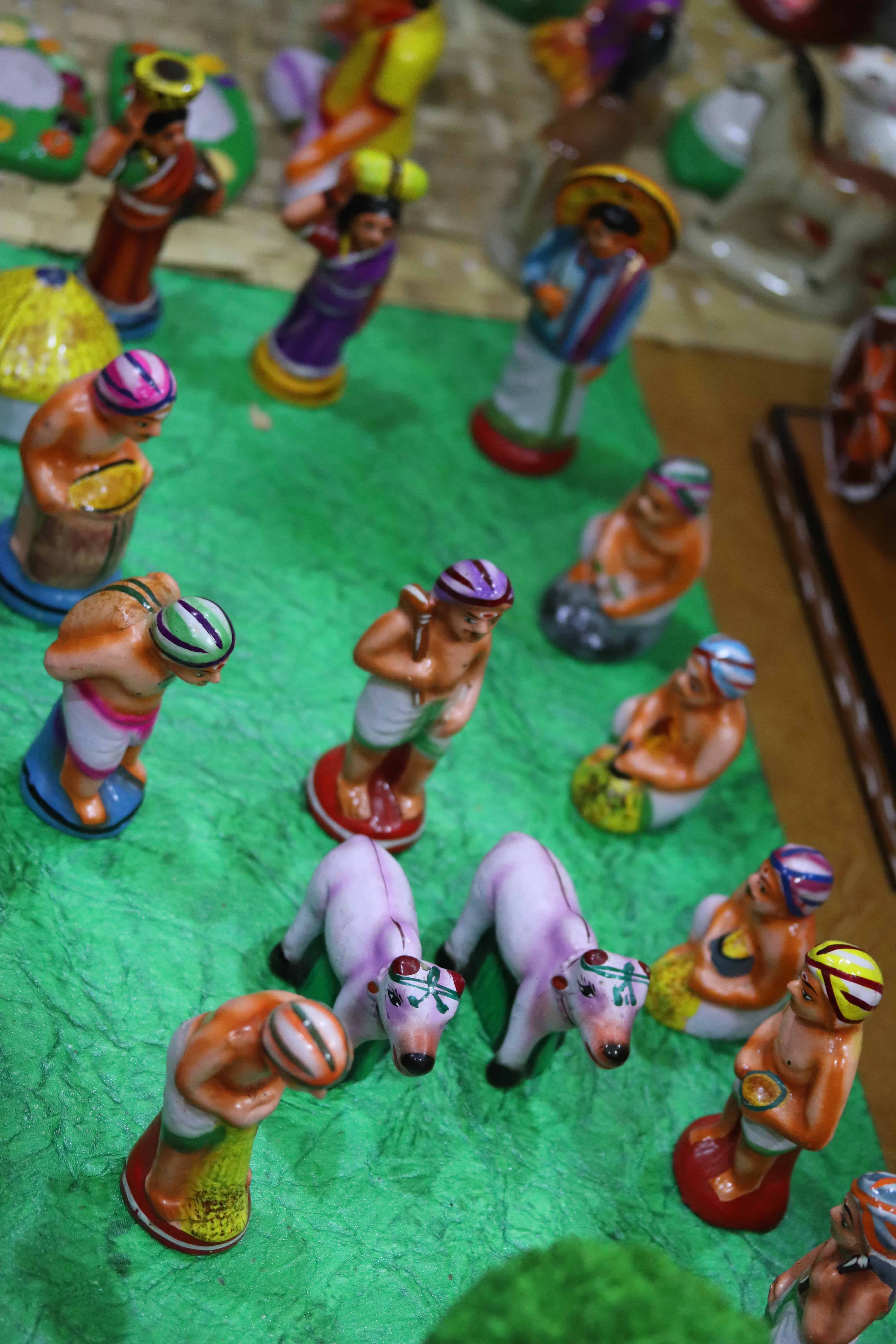

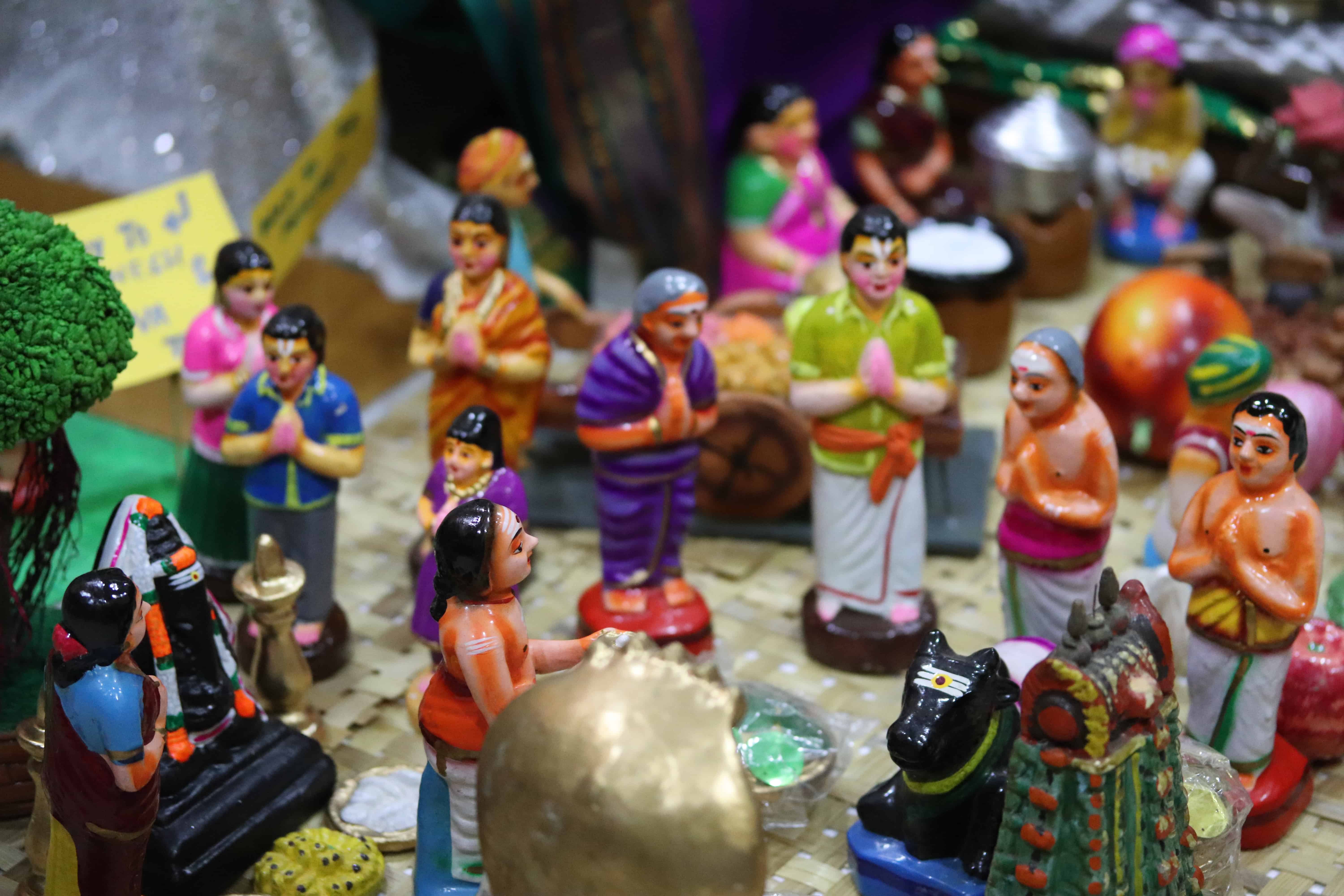
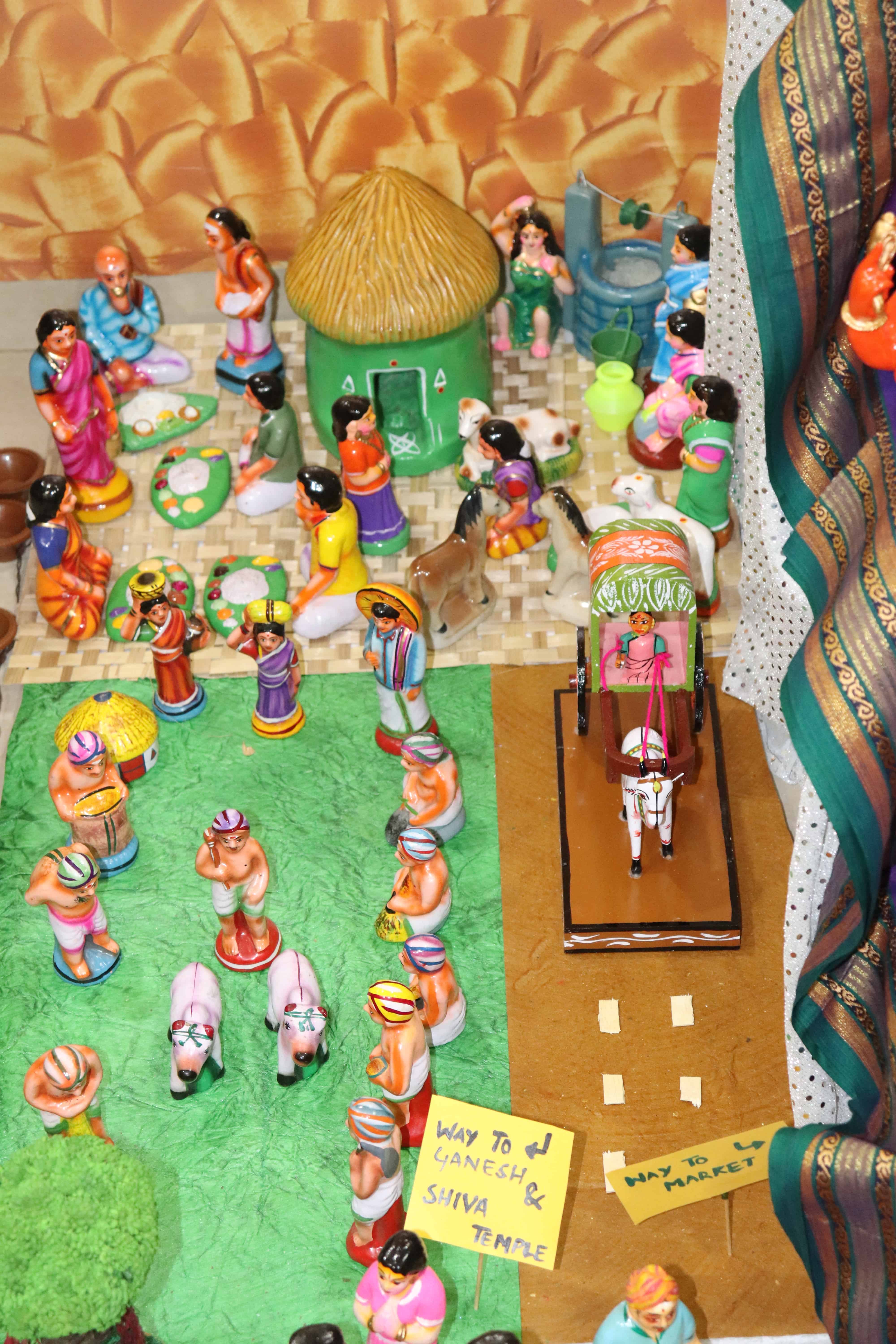

On the first day of Navratri, before commencing the pooja, we light a lamp & place a kalash (a copper vessel filled with grains with coconut on top & some mango leaves). This Kalash stays for all the 10 days, following which the coconut is broken into two parts & used to either make some sweets or simply used in daily cooking. The grains, enriched by the Devi’s blessings, serve as prasad which needs to be cooked & consumed by all in the family.
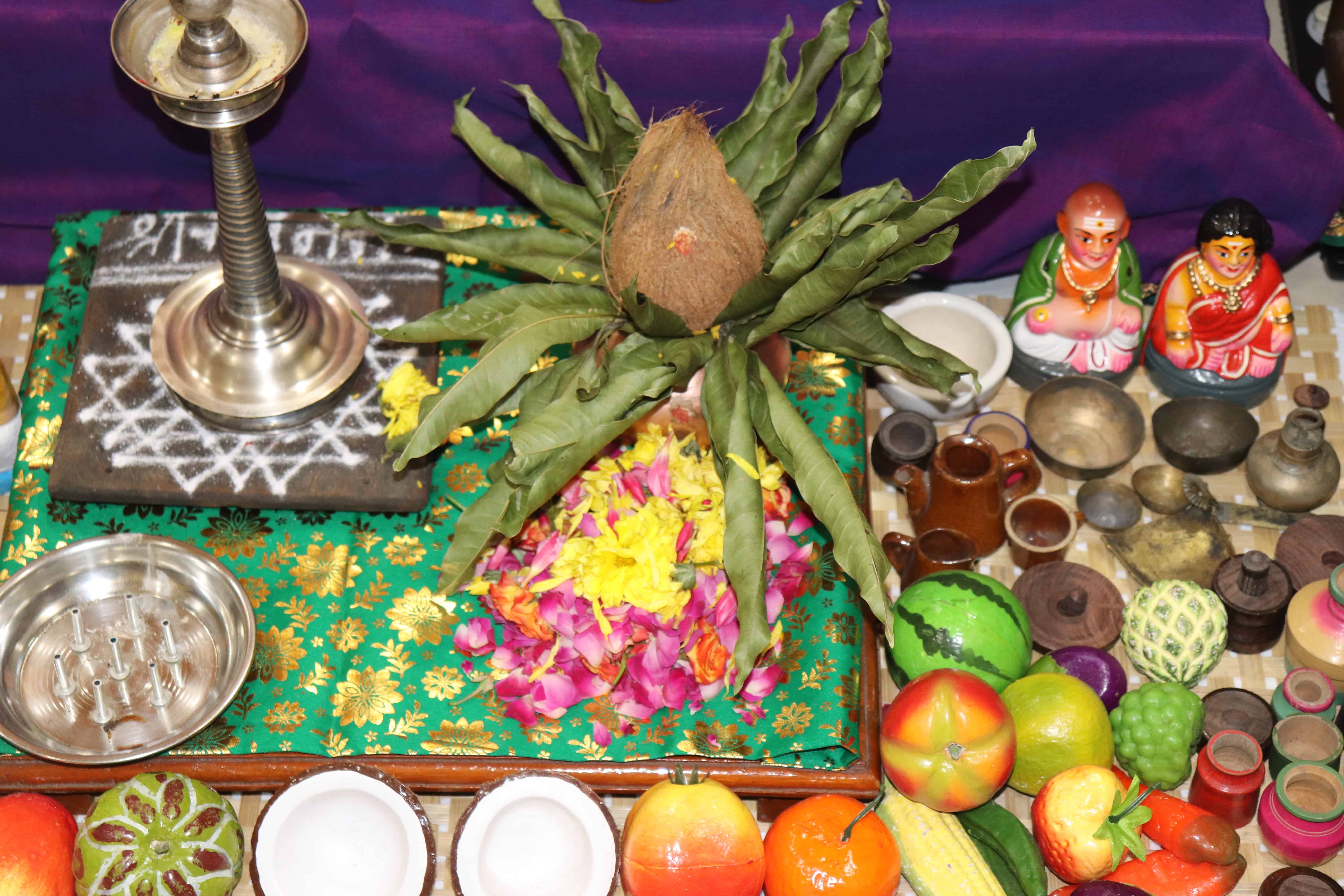
The Golu’s are a treat to the eyes since there are various varieties of dolls that include mythology, stories from Puranas, everyday scenes like villages, weddings, kitchen utensils, market place etc.
These dolls are made from clay but are pretty heavy so these days they resort to light weight dolls made with paper mache. They are comparatively easy to store & stays for a couple more years with very less damage with regards to paint etc.
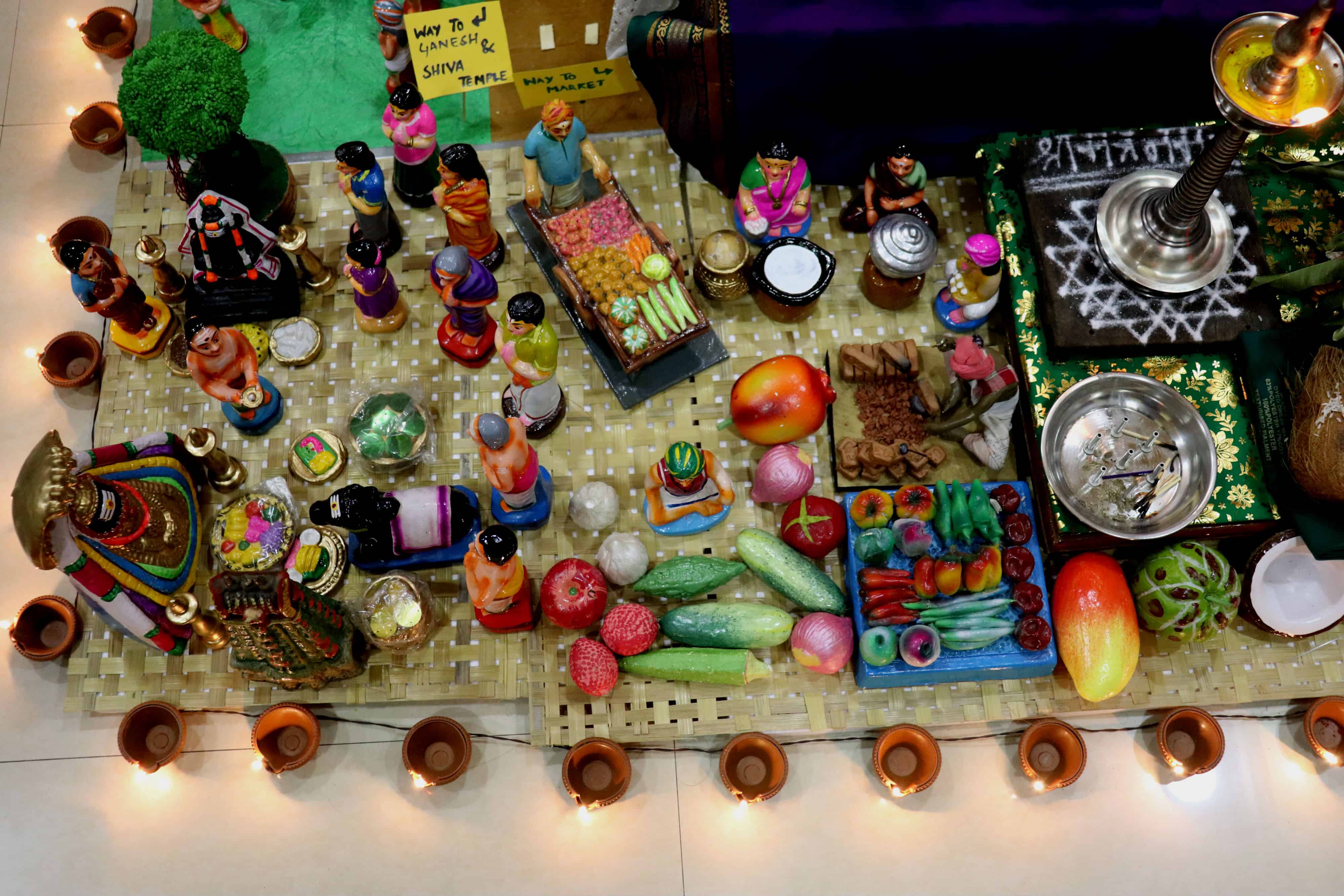

Along with all these bommais, the most prominent & important ones are the wooden bommais called Marapachhi Bommai who are a couple. This Bommai is passed on from one generation to another. The one that we have is very old (80 years plus) which was given to my mom-in-law by her mother. (In the picture below the Marapachhi Bommai dolls are shown in the extreme left (crown on head) at the back)
During the 9 days of Navratri, every day a Sundal offering is to be made to all the deities. This sundal needs to be distributed as prasad to all visiting home to have a look at the Golu.

We also have a tradition to invite married ladies home for Tamboolam or Vettalai Pakku which includes betel leaf & supari, flowers, coconut, haldi Kumkum, fruit, some cash or coins, a blouse piece or saree (basically any cloth) or a suitable gift. This is followed by a fun filled session of singing etc but these days there isn’t much due to time constraints. A packet of Sundal is also given as prasad to all the ladies that visit home for tamboolam.
On the 9th day (Ashtami), is the day of Saraswati Pooja. Goddess Saraswati is the divine source of wisdom & knowledge. We therefore keep books, musical instruments etc in the pooja & pray to the Goddess to grant us wisdom & enlighten us. As kids, this used to be fun. We had to keep our school books for pooja & it could be only taken back the next day after Vijayadashami pooja got over so no studying for a whole day.
On the 10th day of Vijayadashami, the day evil is conquered by the good. This day marks an auspicious day for new beginnings. Many people buy a car, property or start a new venture to ensure prosperity. The books that are kept on the 9th day are given back to the kids & are asked to recite or read a verse or two in front of the Almighty.
Later in the evening, before going to bed, one doll from the Golu Display is symbolically put to sleep & the Kalash is also moved to the north to mark the end of the Navratri Golu.
The next day the Golu is slowly dismantled & the dolls packed up carefully & kept in storage only to be used the next year.
I hope you enjoy the pictures of the golu decorations at our home & continue to give me your valued support, suggestions & feedback.
Wishing all my readers a Very Happy Navratri & Dassera!! May all your dreams come true & let there be goodness, peace & prosperity around you & the world!! Amen!!
Loads of Love,
Vidya Narayan
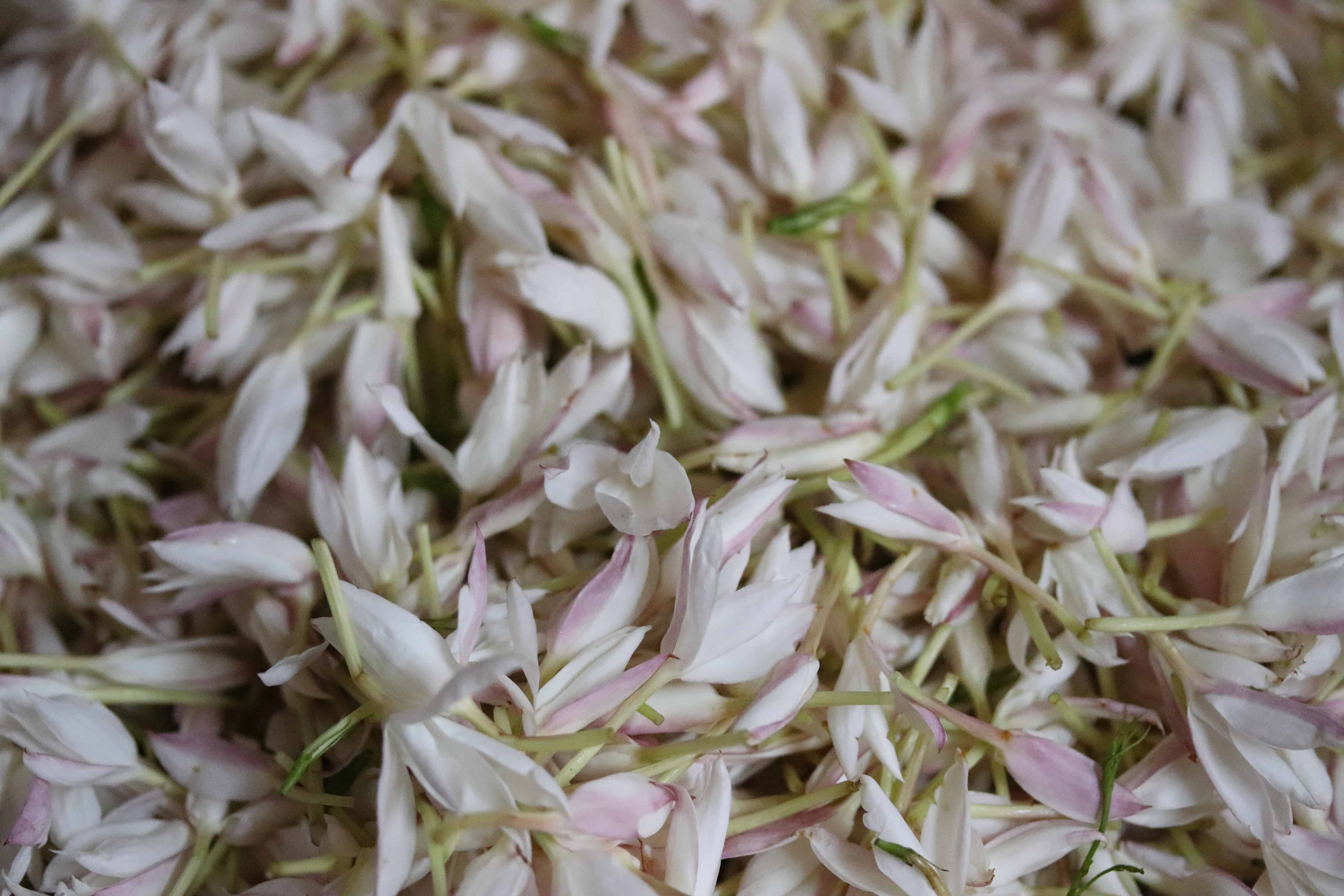
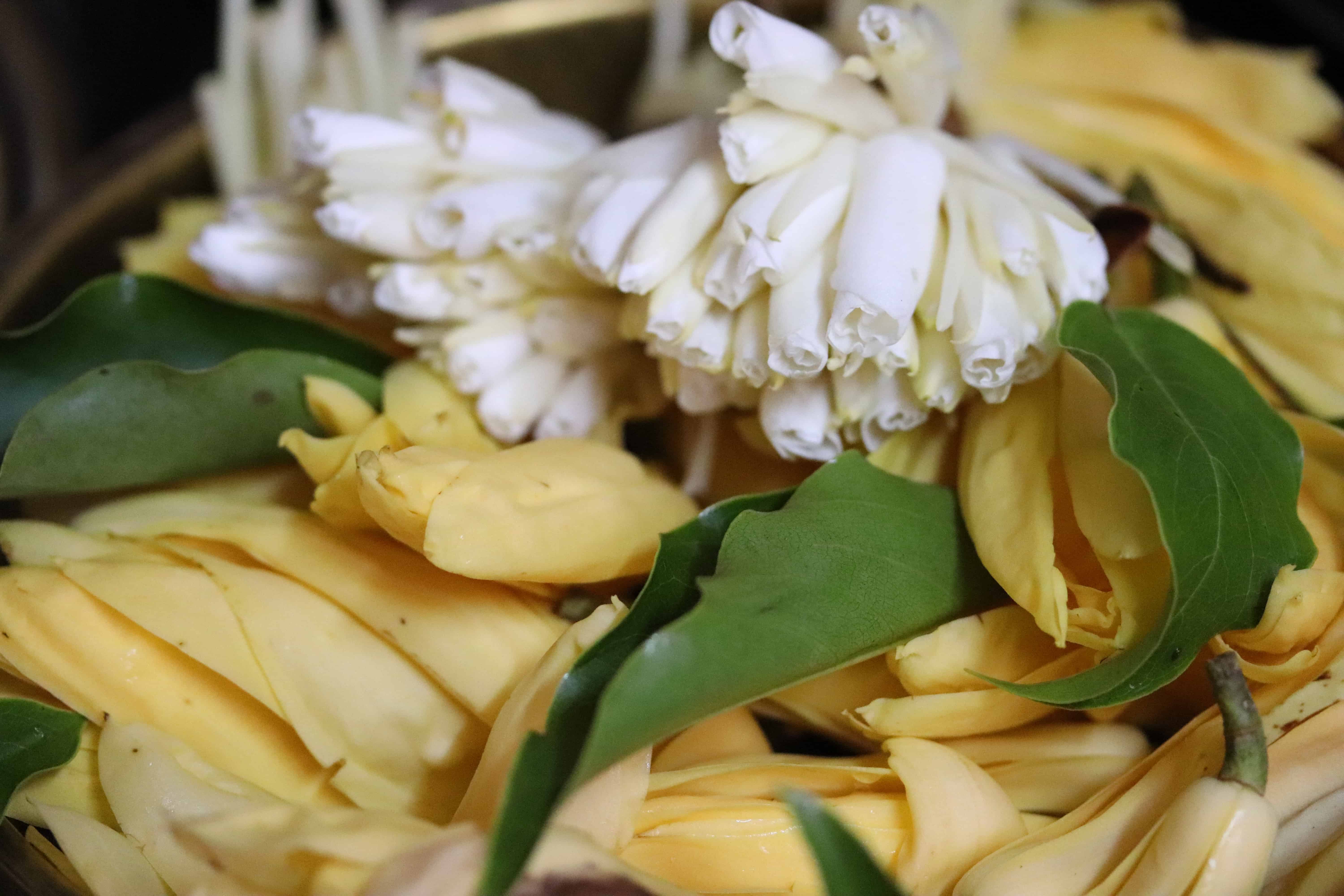
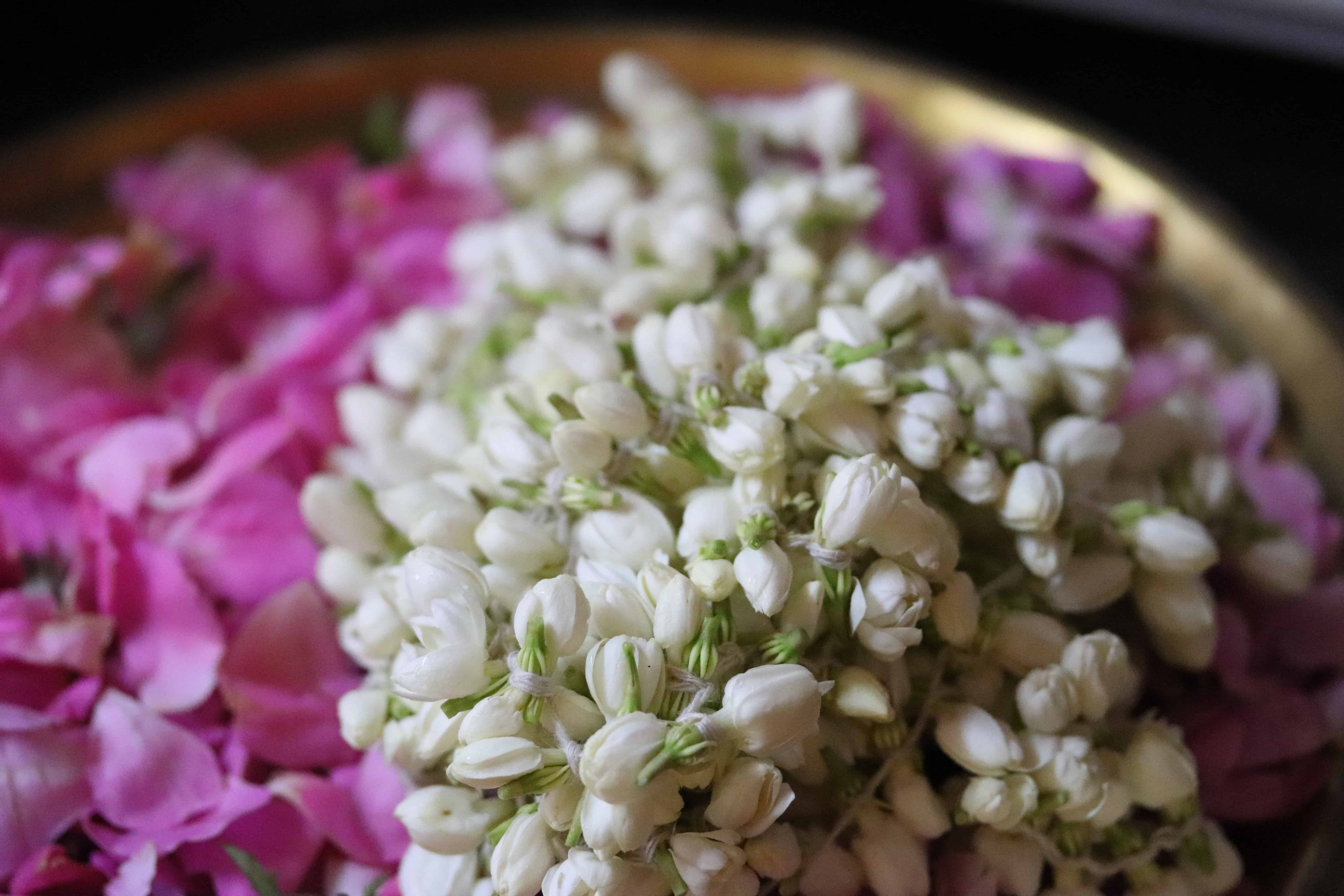
PS - Since I am extremely fond of flowers, Sharing with you some of the pictures of fresh flowers offered to the Goddess these 9 days.